BITES 2026 - Summer School
  • About
  • Speakers
  • Schedule
  • Venue
  • Registration
  • Travel & Hotels
  • Organizing Team

BITES 2026

1st International Summer School: Biosciences · Informatics · Tourism · Engineering · Sustainability
August 25 - 28, 2026 Termoli, Italy
A four-day immersive program organized by the
Department of Biosciences and Territory, University of Molise.

About BITES 2026

BITES is the international summer school of the Department of Biosciences and Territory of the University of Molise.

BITES 2026 is the first edition of the school. It brings together internationally recognised lecturers and a community of Master's students, PhD students and early-career researchers for four immersive days of lectures, hands-on workshops and field activities in Termoli, on the Adriatic coast. This edition focuses on AI and data-driven methods for real-world complexity: how machine learning, computer vision, remote sensing and generative AI are transforming research across life sciences, environmental monitoring, urban analytics and structural engineering.

Why Join BITES 2026

  • Explore how AI and ML methods are applied across domains
  • Learn from international speakers from EMBL-EBI, Latitudo 40, CASA, TU Delft, UCL, UNIBAS, UNIMOL
  • Present your research and get feedback from an international audience
  • Earn academic credits (ECTS / CFU) recognised by the University of Molise
  • Connect with PhD students and researchers in an informal setting
  • Not least, enjoy four days in Termoli, a hidden gem on the Adriatic coast

Event Starts In:

Register Now

Speakers

TBA
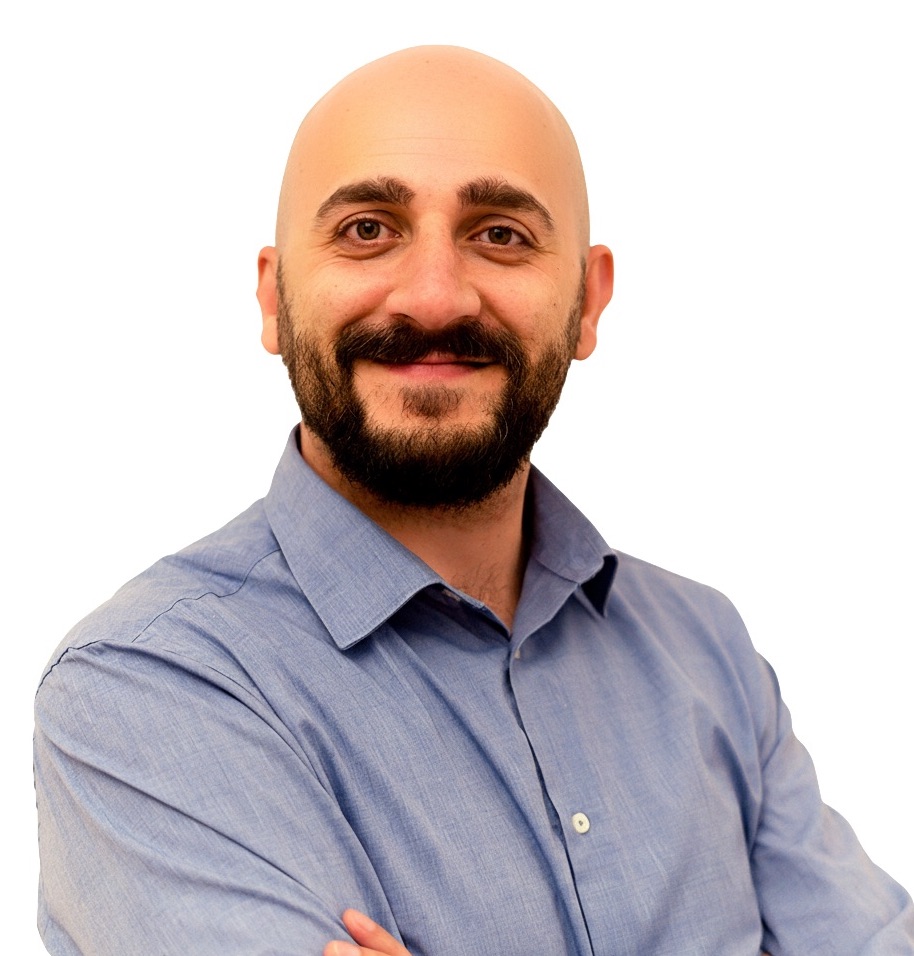
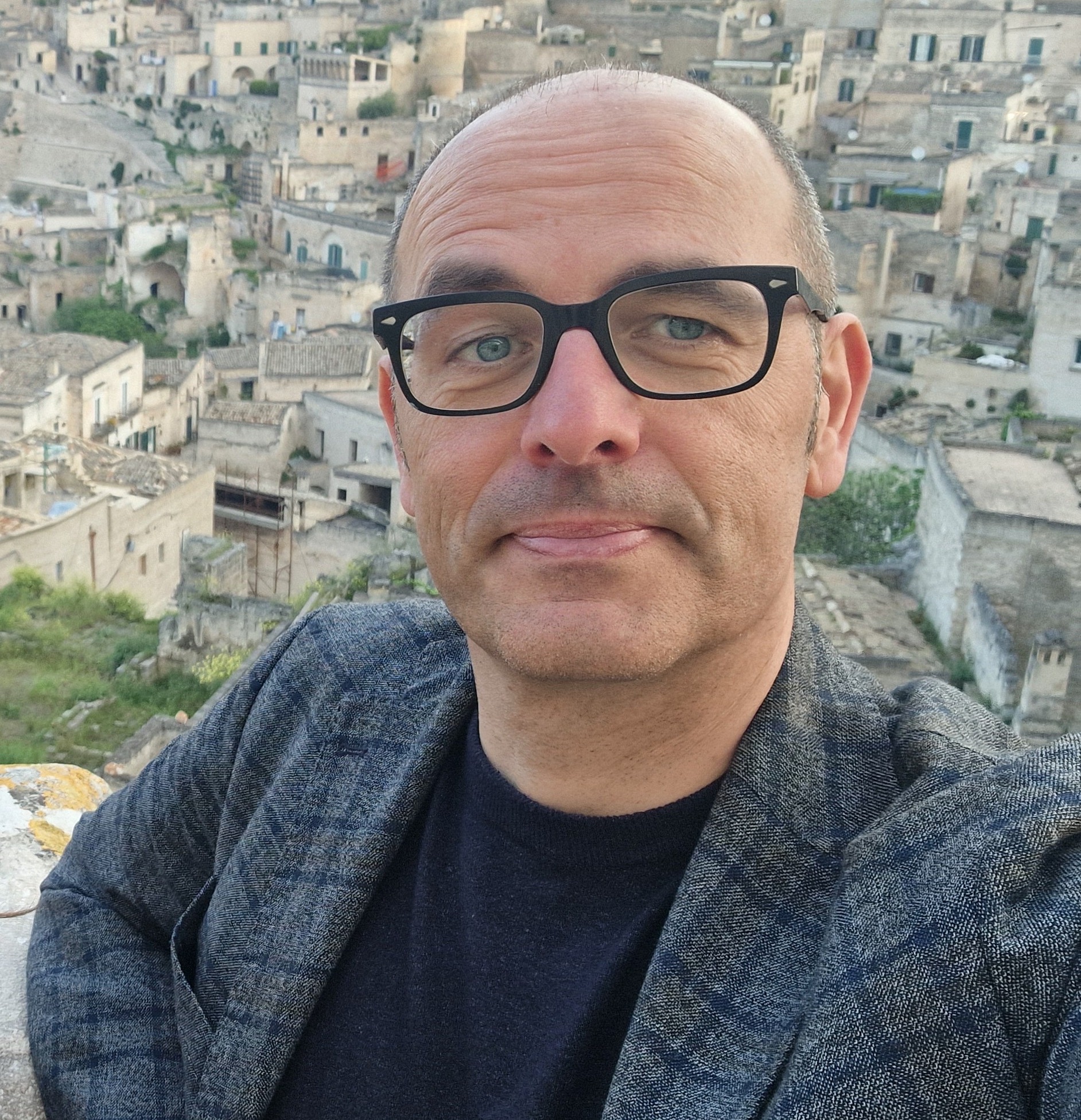
Francesco Amato
Latitudo 40
Read more →
To be announced
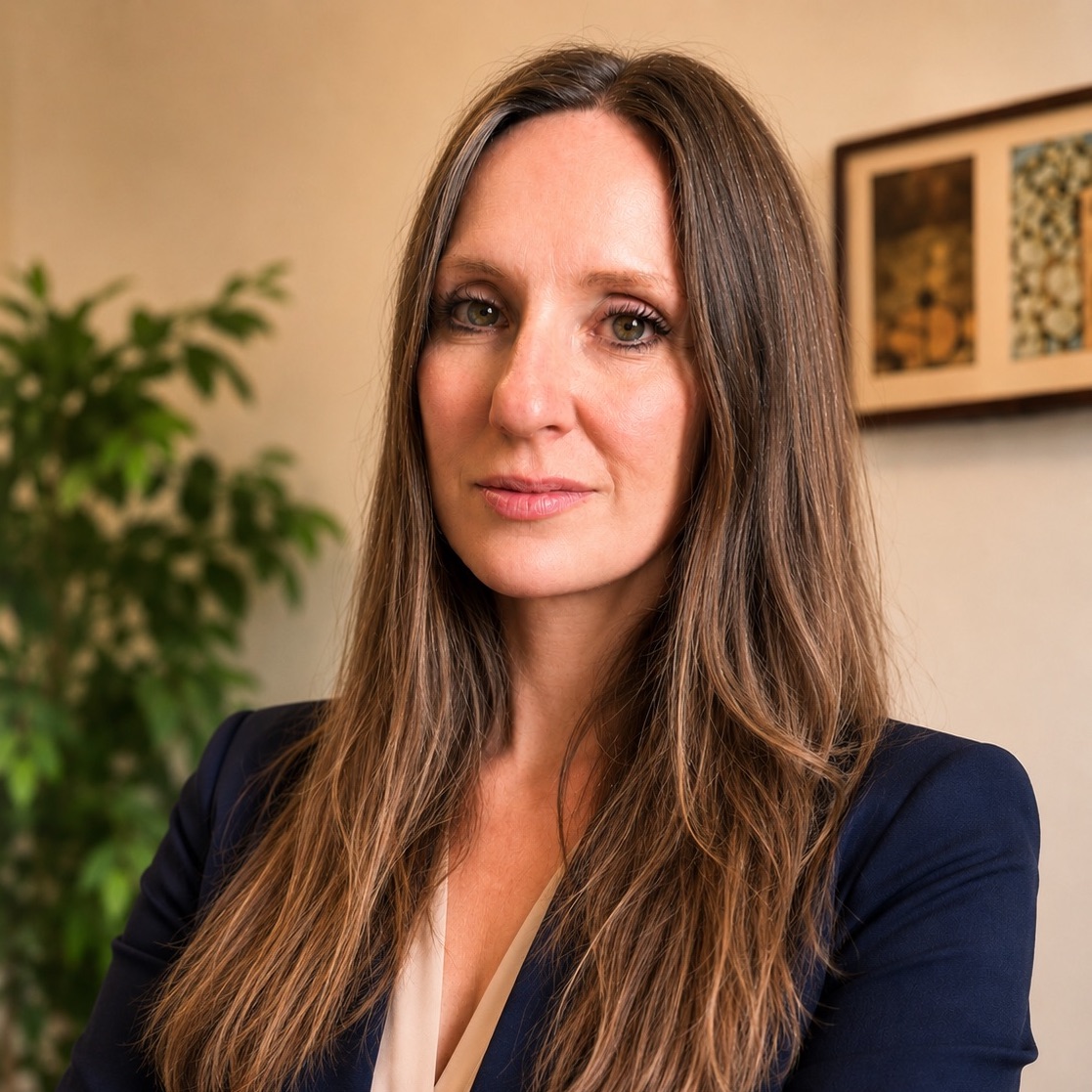
Francesco Carli
EMBL-EBI & Open Targets
Read more →
To be announced
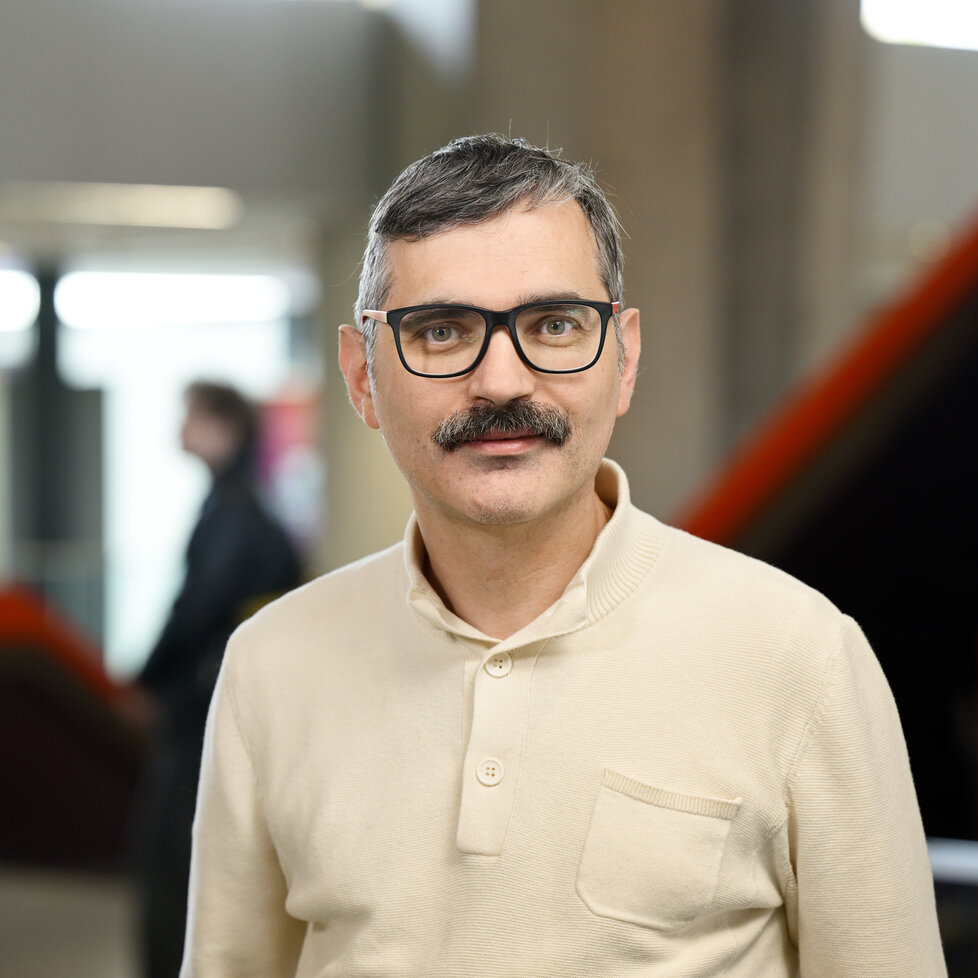
Alexander Serebrenik
Math&CS, Eindhoven University of Technology
Read more →
To be announced
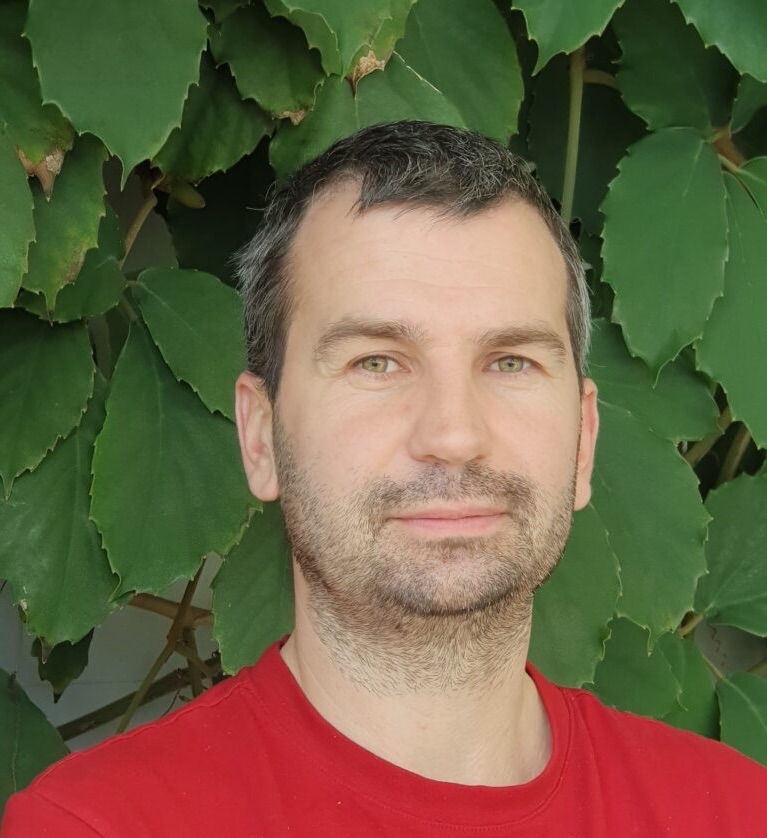
Vítězslav Moudrý
Czech University of Life Sciences Prague
Read more →
To be announced
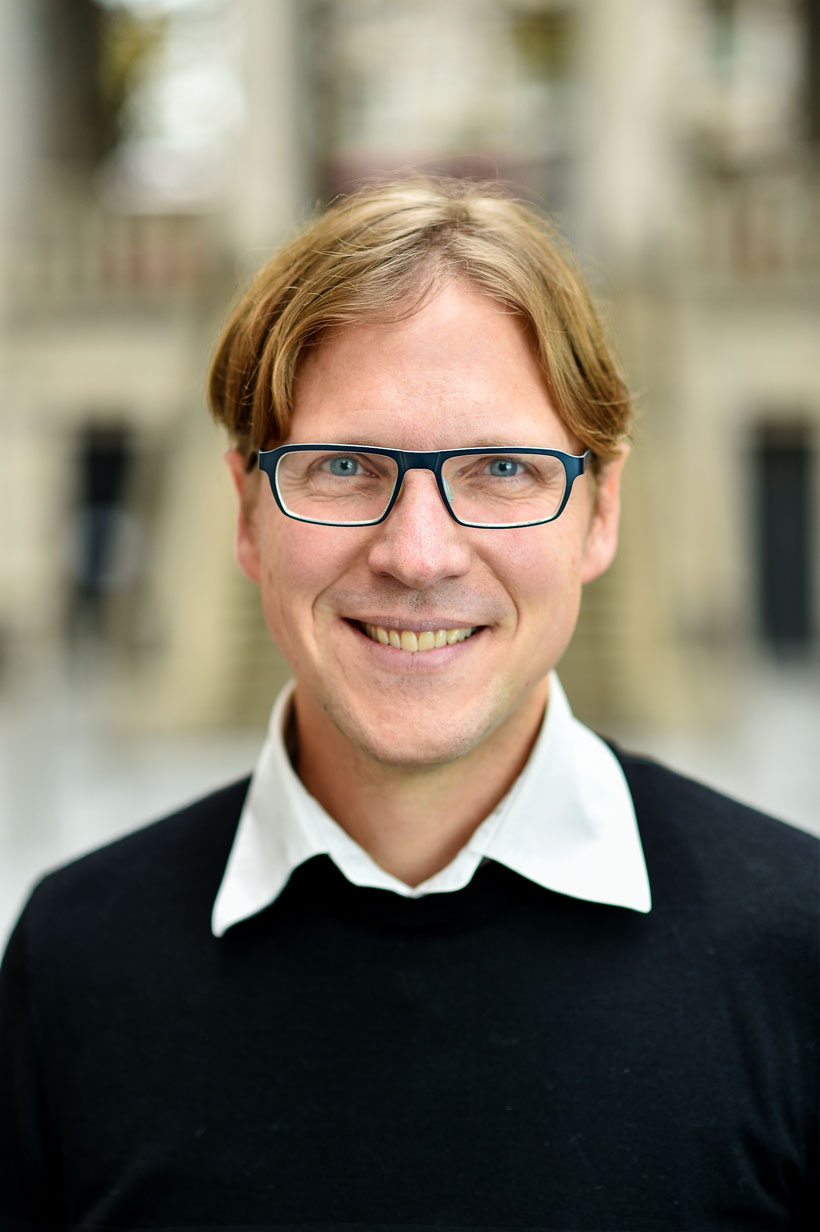
Jon Reades
Director of the Centre for Advanced Spacial Analysis (CASA), UCL
Read more →
To be announced
Giuseppe Santarsiero
Università della Basilicata
Read more →
To be announced
Simone Scalabrino
Università del Molise
Read more →
To be announced
Gabriella Sferra
Università del Molise
Read more →

Schedule

Tuesday
August 25
Introduction to approaches for Data analysis & visualization (ML, DL, AI)
9:30 - 10:30
Registration & Welcome Coffee
10:30 - 11:00
Opening
11:00 - 13:30
Alexander Serebrenik
Math&CS, Eindhoven University of Technology
Who Decides When AI Supports Decisions? Software Engineering, Generative AI, and Human Judgement
13:30 - 15:00
Light Lunch
15:00 - 17:30
Simone Scalabrino
Università del Molise
Tutorial / Lab
Beyond Autocomplete: Harnessing LLMs and Agentic AI for Scientific Coding
Wednesday
August 26
Data Science & AI for Life Sciences
9:00 - 11:00
Francesco Carli
EMBL-EBI & Open Targets
TBA
11:00 - 11:30
Coffee Break
11:30 - 13:30
Gabriella Sferra
University of Molise
Embedding AI into biology: a new paradigm for studying life
13:30 - 15:00
Light Lunch
15:00 - 17:00
Students' Talks
From 18:00
Netwalking & Social Aperitif
Thursday
August 27
Environmental, Socio-Economic & Human Geography Analytics
9:00 - 11:00
Vítězslav Moudrý
Czech University of Life Sciences Prague
Airborne and spaceborne lidar for ecosystem structure monitoring
11:00 - 11:30
Coffee Break
11:30 - 13:30
Jon Reades
Director of the Centre for Advanced Spacial Analysis (CASA), UCL
Critical data analytics and urban data ecosystems
13:30 - 15:00
Light Lunch
15:00 - 17:00
Students' Talks
From 19:30
Social Dinner
Friday
August 28
Urban AI, Structural Monitoring & Intelligent Infrastructure
9:00 - 11:00
Giuseppe Santarsiero
Università della Basilicata
Automated Infrastructure Inspection through Computer Vision Techniques
11:00 - 11:30
Coffee Break
11:30 - 13:30
Francesco Amato
Latitudo 40
Application of AI techniques in satellite image processing
13:30
Closing & Farewell

Termoli

The pearl of the Adriatic Sea
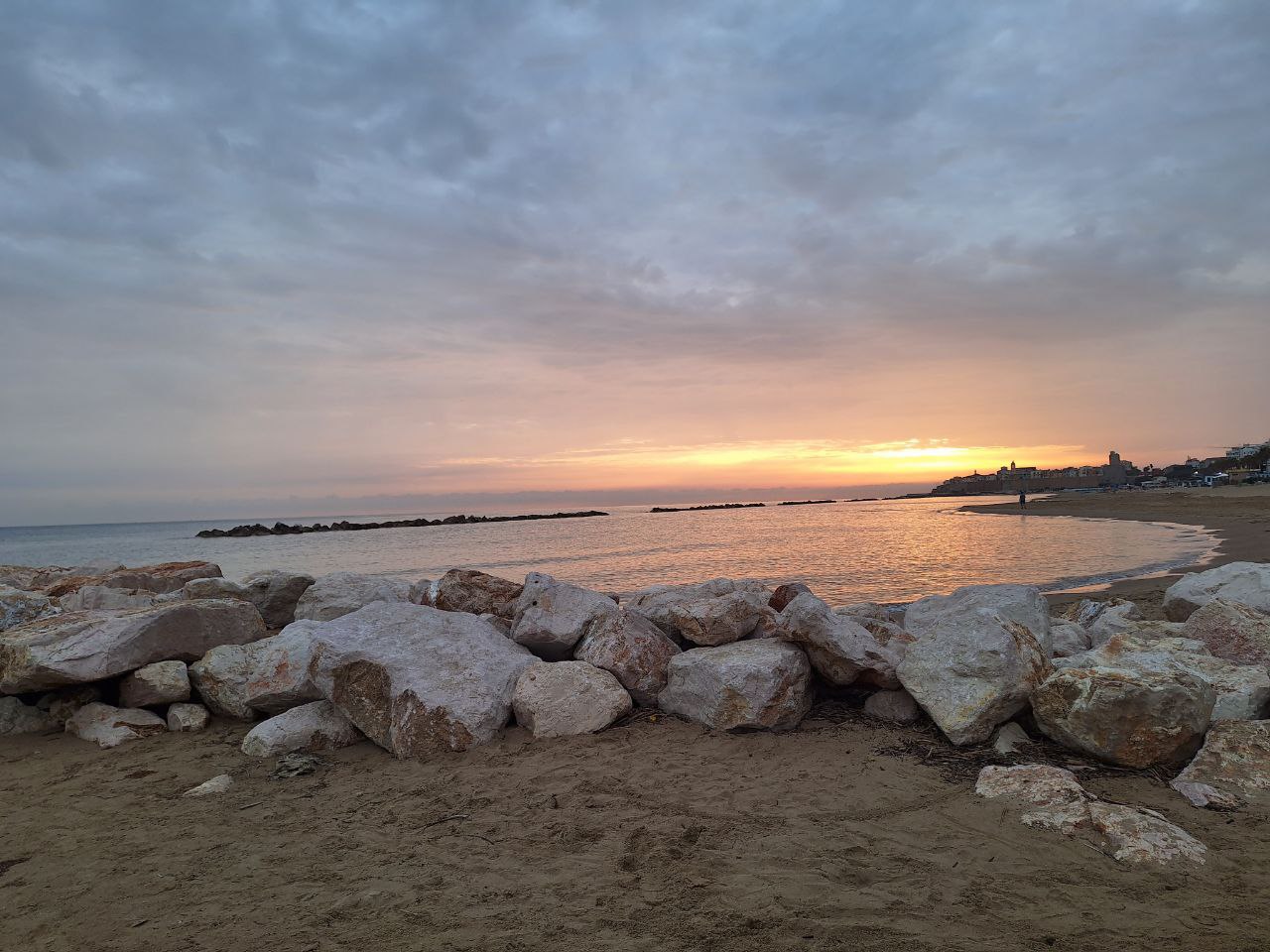
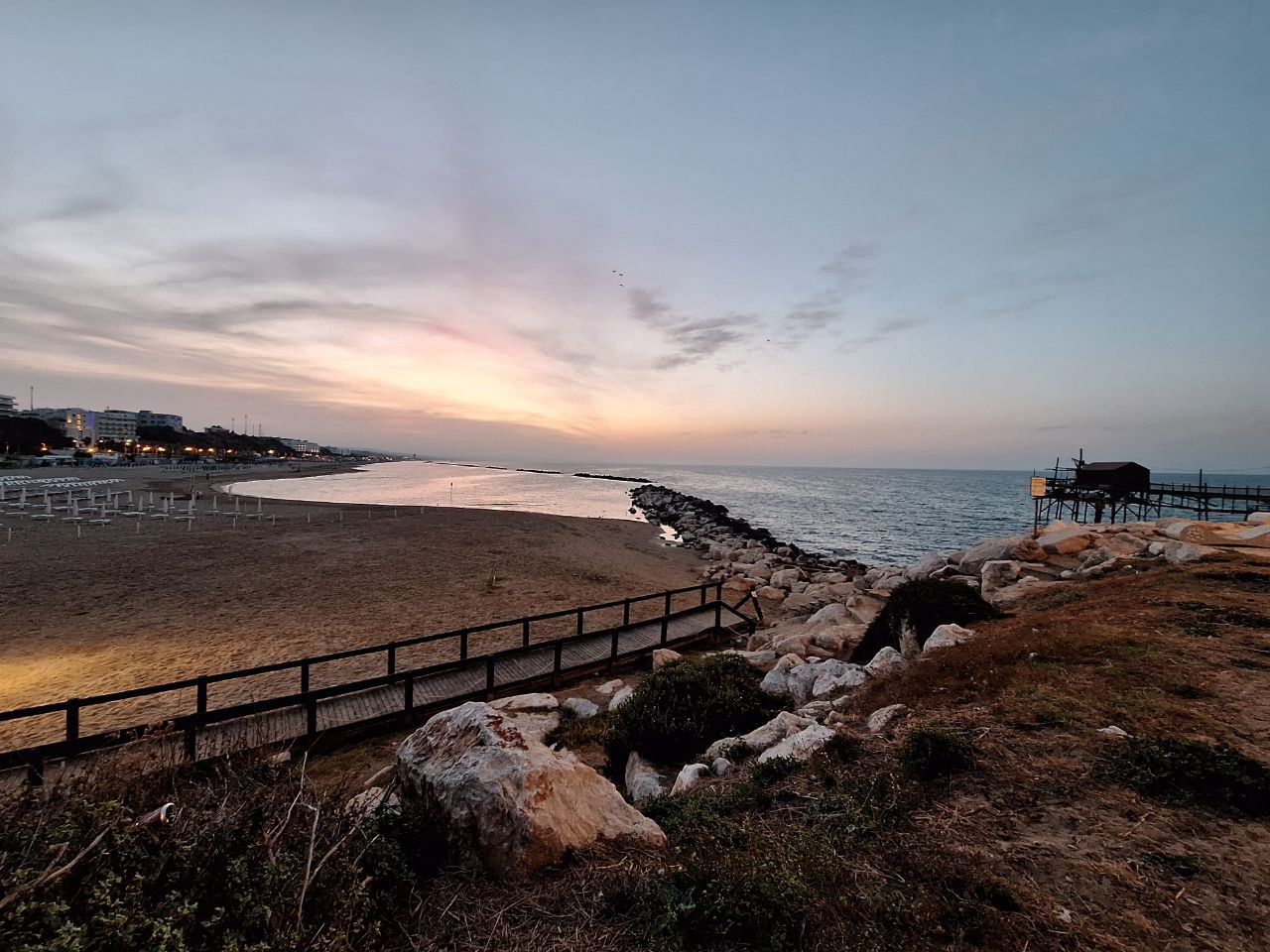
Termoli at sunrise

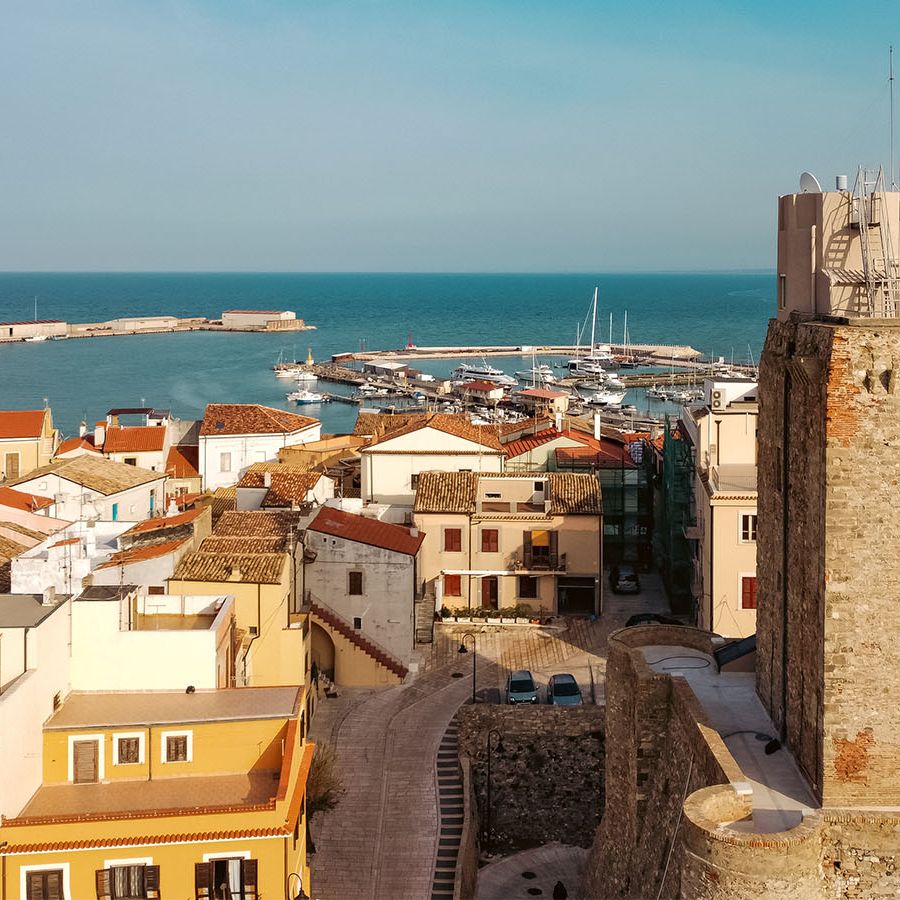
Termoli

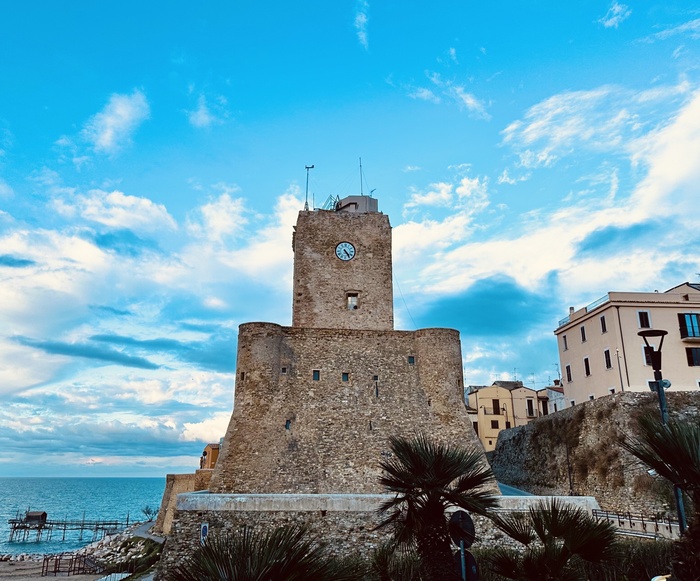
Termoli is a coastal town located in the Molise region, Italy. Famous for its characteristic ancient village, Termoli offers picturesque narrow streets and breathtaking views over the Adriatic Sea.

Università degli Studi del Molise

The Termoli campus of the University of Molise is renowned for its degree programs and research centers in tourism sciences and computer science. The summer school will be hosted in this modern facility, located steps away from the Adriatic coast.

View on Google Maps
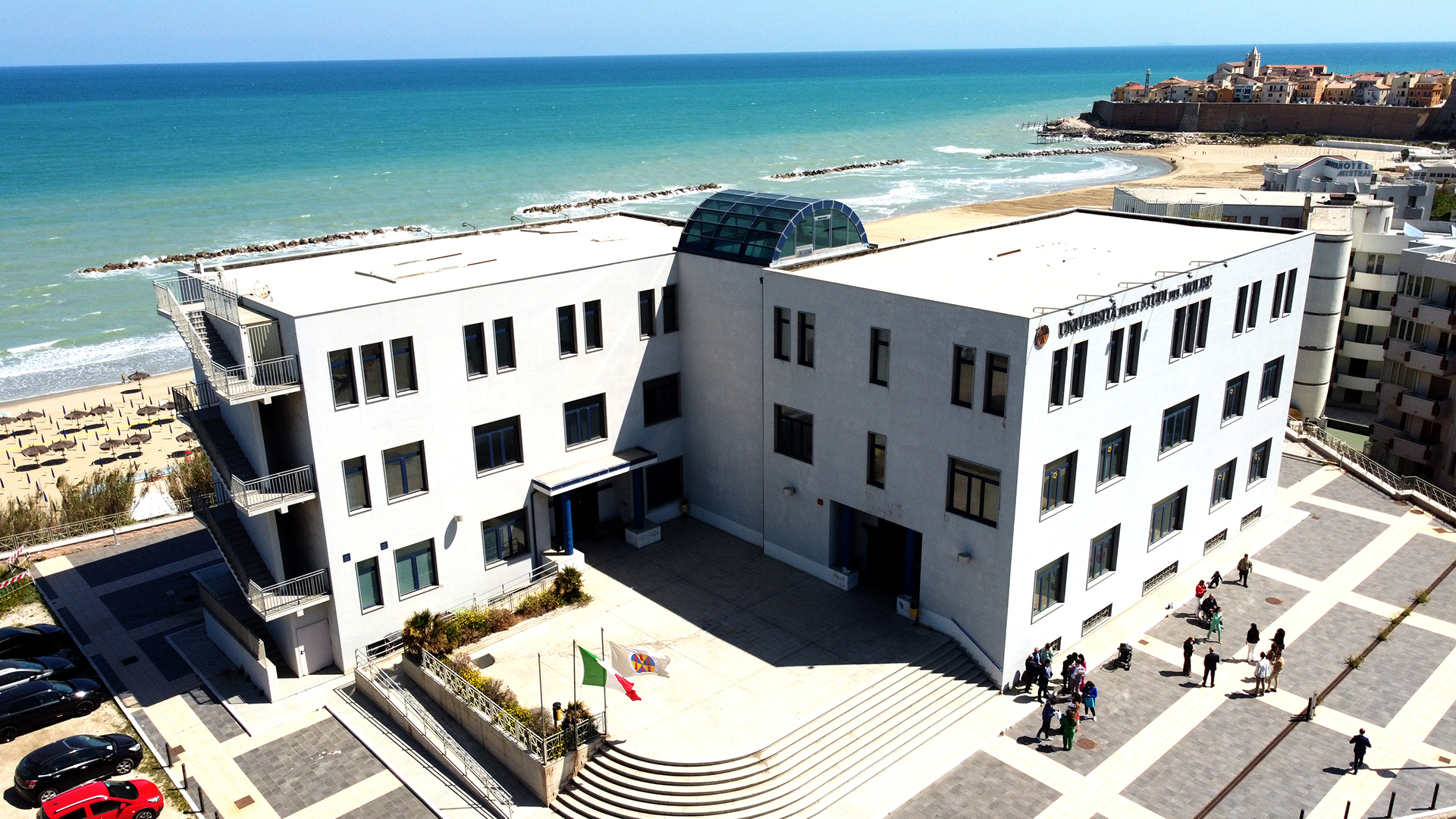

University of Molise - Termoli campus
Swabian Castle
Swabian Castle
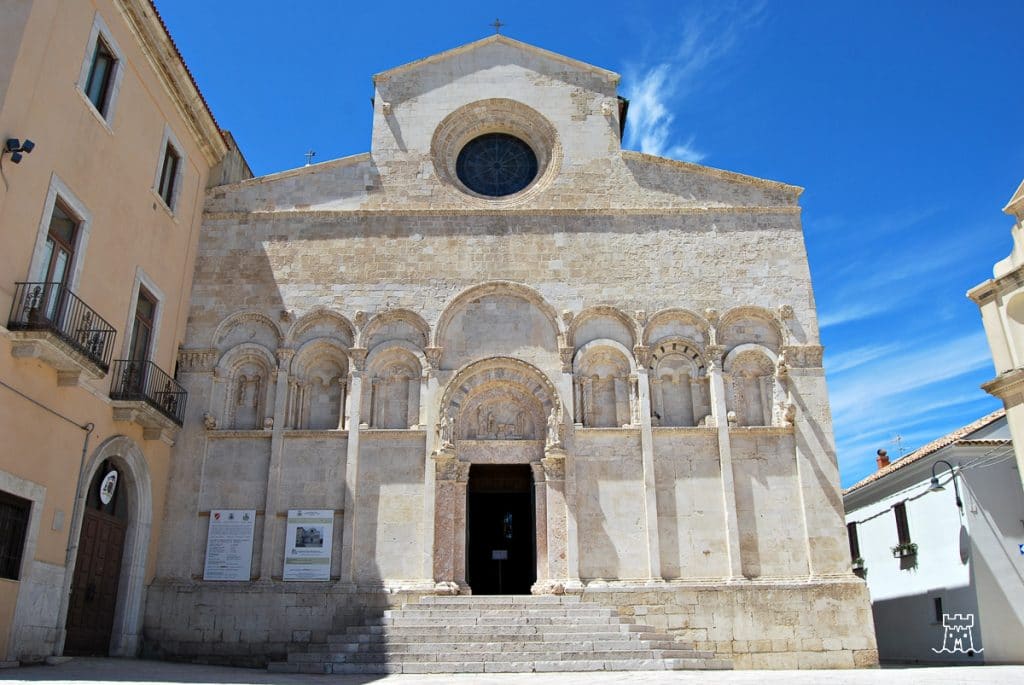
Cathedral
Cathedral
Old Town
Old Town
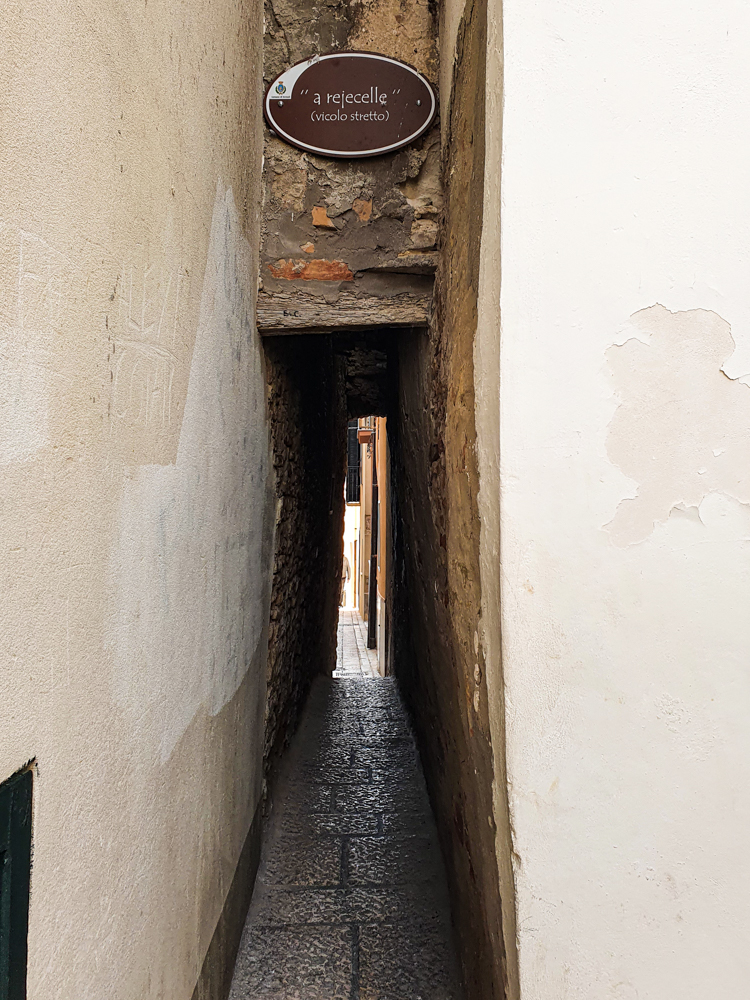
A Rejecelle
A Rejecelle

Registration

The fee includes access to all sessions, course materials, coffee breaks and lunches. For any questions about the registration process, please contact annalisa.ferrara@unimol.it.

Early Bird

€150
University of Molise participants
€200
External participants
Register by July 10, 2026

Late

€250
All participants
From July 11 to August 20, 2026

Daily

€100
Early Bird (by July 10)
€150
Late (from July 11)
Single day — includes sessions,
coffee break & lunch

🍽 The social dinner is not included in the registration fee and is available as an optional add-on ticket (€50 per person) for all registration types.

Please read the payment instructions before clicking to register.

Registration is confirmed only upon receipt of proof of payment. Please follow these steps:

  1. Choose your registration tier from the options above.
  2. Transfer the corresponding fee by bank transfer using the details below.
  3. Keep your receipt — you will need to enter the transaction reference number in the registration form. The organizing committee may also request it for verification.
  4. Fill in the registration form by clicking Register Now.
Account holder
BIOME SRL – Biodiversity Monitoring and Conservation Enterprise
IBAN
IT80 V050 1803 4000 0002 0001 376
Payment reference
BITES 2026 Summer School registration fee – Name Surname
Amount
As per your selected registration tier
Register Now

How to Reach Termoli

All the ways to get to Termoli for the summer school.
By Plane

The closest airports are Pescara (PSR) and Bari (BRI). Rome Fiumicino (FCO) is the main international hub, with Naples (NAP) as a southern alternative.

PSR From Pescara

Take the Pescara Airlink shuttle to Pescara Centrale, then a direct train to Termoli — about 1h from the airport.

BRI From Bari

Take the airport shuttle to Bari Centrale, then a direct train to Termoli — about 2h from the airport.

FCO From Rome

Take the Leonardo Express to Roma Termini, then a train to Termoli with one change — about 4h20 from the airport. FlixBus from Roma Tiburtina is a direct alternative.

NAP From Naples

Take the Alibus shuttle to Napoli Centrale, then a train to Termoli with a change at Foggia — about 4h30 from the airport.

By Train

Termoli is on the Adriatic line (Bologna–Lecce). Regionale, Intercity and Frecciarossa trains connect Termoli with Bologna, Ancona, Pescara, Bari, Foggia and other major cities. The station is a short walk from the city center.

By Car

Take the A14 Bologna–Taranto motorway and exit at Termoli. Follow signs to the city center. The A14 connects directly with all major Italian motorways from north and south. For live traffic updates: cciss.it.

By Bus

Termoli is well served by national bus lines such as FlixBus and MarinoBus, with affordable connections from many Italian cities. Direct services from Rome (Tiburtina) and other Adriatic cities are particularly convenient.

Hotels
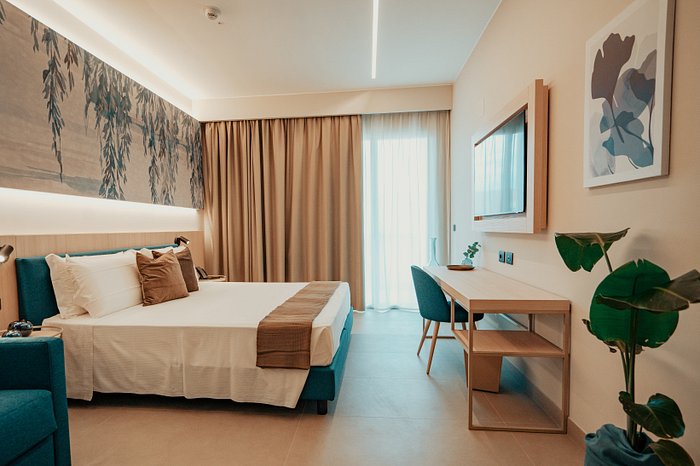
A selection of hotels close to the University of Molise — Termoli campus.
LUMIA Hotel

LUMIA Hotel

1.2 km from University of Molise – Termoli

Hotel MISTRAL

Hotel MISTRAL

300 m from University of Molise – Termoli

Hotel MERIDIANO

Hotel MERIDIANO

200 m from University of Molise – Termoli

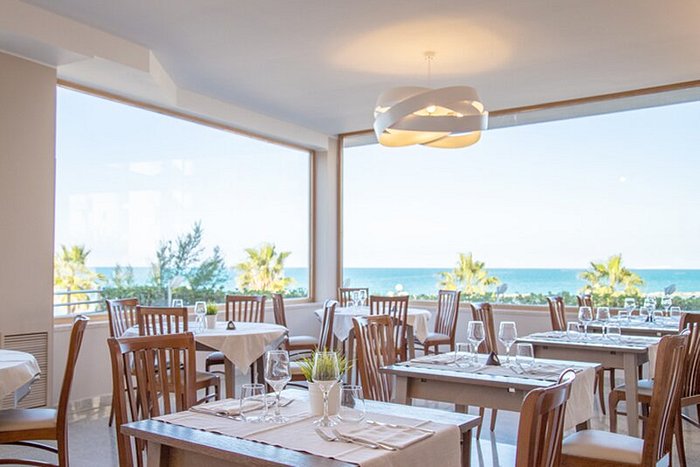
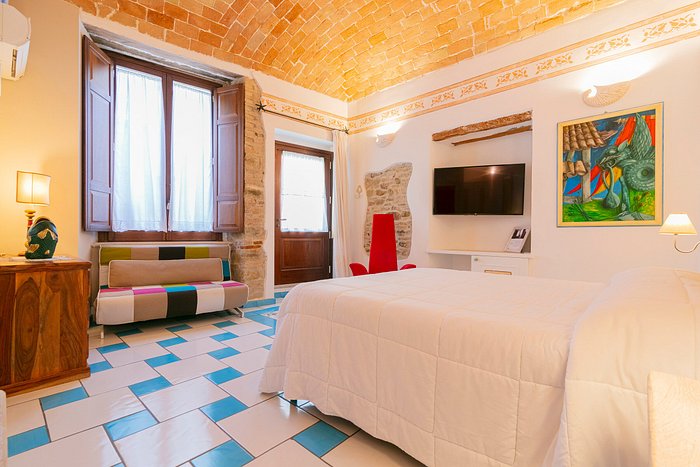
Residenza SVEVA

Residenza SVEVA

Tripadvisor Traveller's Choice Awards

1 km from University of Molise – Termoli

Organizing Team

To be announced
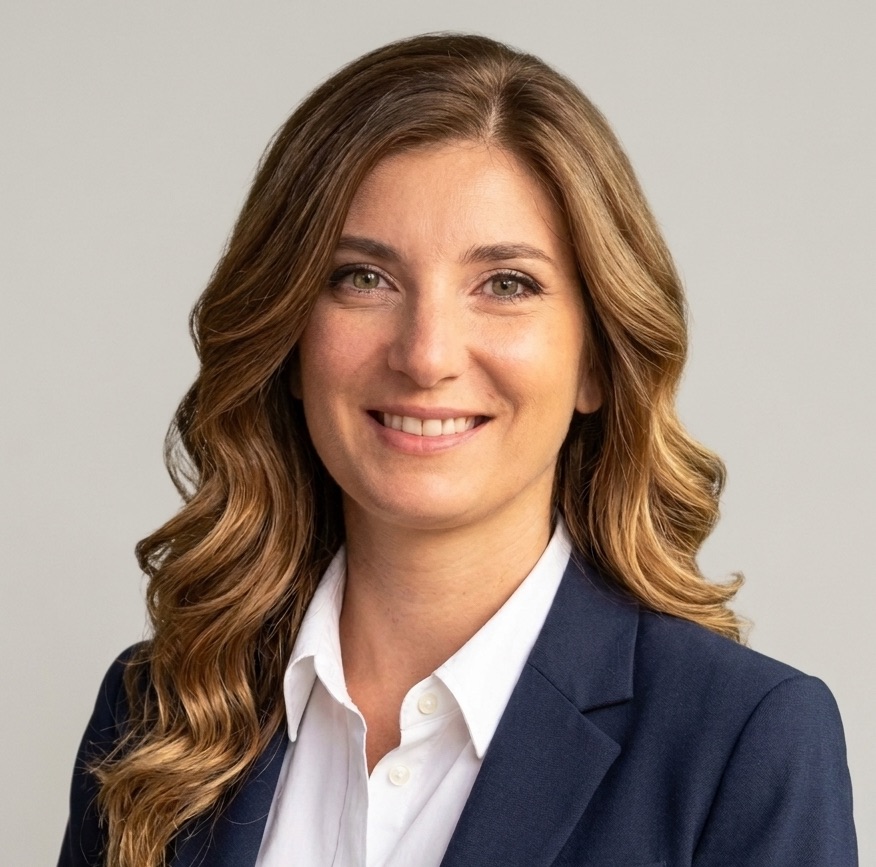
Anna Lisa Ferrara
Scientific Director & Organising Coordinator  
To be announced
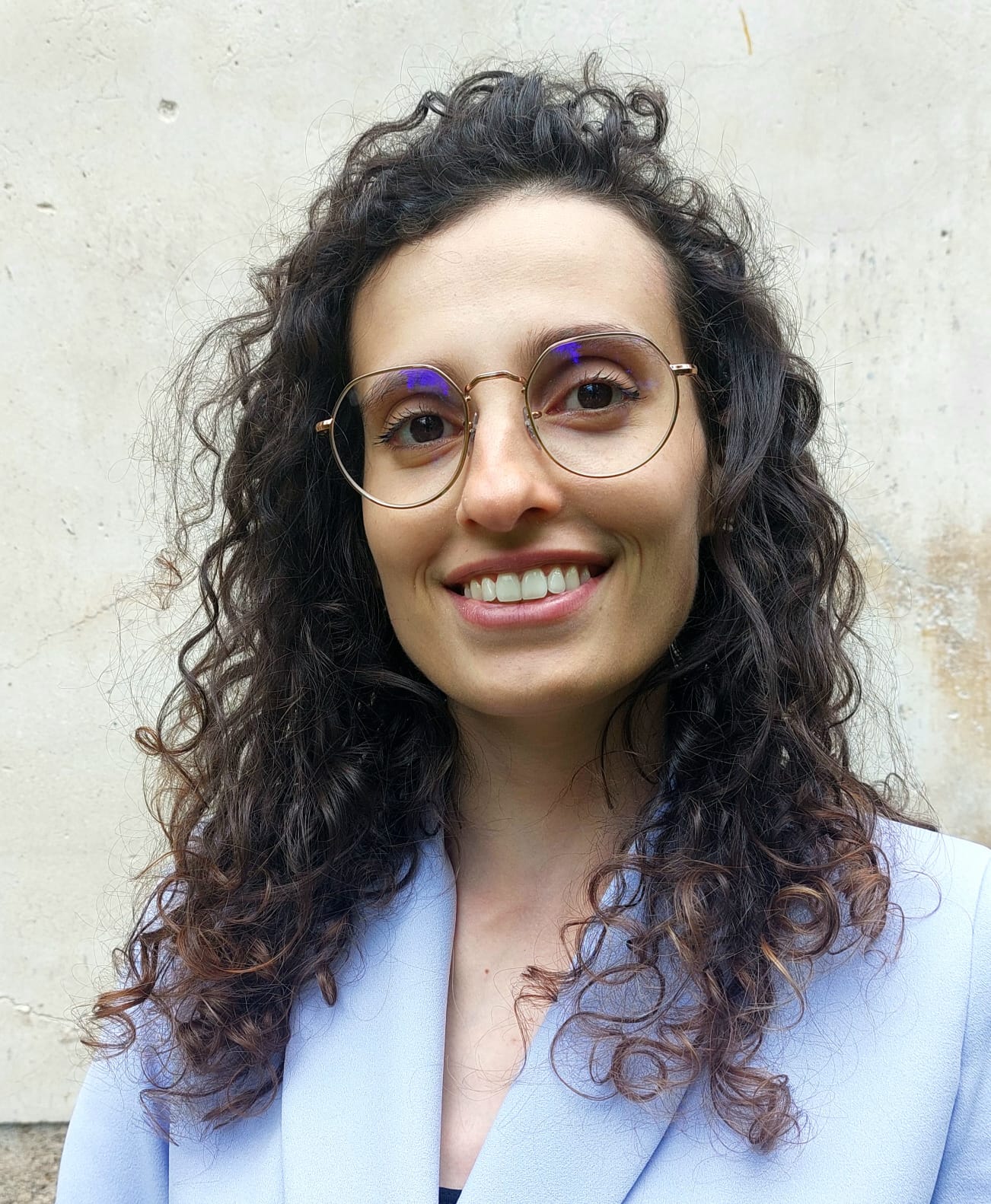
Emanuela Guglielmi
Deputy Coordinator & Local Organiser  
To be announced
Roberta Cimorelli Belfiore
Web & Communications Support 

BITES 2026 — 1st International Summer School on Biosciences, Informatics, Tourism, Engineering and Sustainability
Department of Biosciences and Territory · University of Molise · Termoli, Italy

Speaker 1 - To be announced

Francesco Amato

Latitudo 40

Francesco Amato is Business Development Manager at Latitudo 40, an innovative Italian SME that leverages satellite data and artificial intelligence to support strategic decision-making for cities, infrastructure and territories. His work spans commercial development and international relations, collaborating closely with public administrations, companies and global partners to transform complex data into actionable solutions. He specialises in the application of Earth observation technologies for environmental risk management, with a focus on floods, wildfires, urban heat islands and hydrogeological hazards. Over the course of his career, he has represented Latitudo 40 at international events on climate tech, smart cities and the space economy, contributing to the broader adoption of satellite data as a strategic asset for more informed and resilient decision-making. His mission is to make geospatial data accessible, practical and impact-driven, helping organisations and territories anticipate challenges and seize new opportunities.

Speaker 2 - To be announced

Francesco Carli

EMBL-EBI & Open Targets

Francesco Carli is a staff scientist @ EMBL-EBI in Cambridge, working with the Saez-Rodriguez group and Open Targets. He has a multidisciplinary background spanning economics, mathematics, data science, and computational biology. He holds a B.Sc. in Economics and Social Sciences from Bocconi University and an MSc in Stochastics and Data Science from the University of Turin. His early work focused on machine learning for biomedical applications, including genetic biomarker models for renal cancer and AI-based tools for clinical decision support in intensive care. He later completed a Ph.D. at Scuola Normale Superiore in Pisa, where he developed machine-learning methods to study drug-biosystem interactions across multiple biological scales, with a focus on oncological applications. His current research investigates how large language models and agentic systems can enhance computational biology workflows, particularly through rigorous benchmarking, integration with classical modeling techniques, and improved interpretability, robustness, and generalizability.

Speaker 3 - To be announced

Alexander Serebrenik

Math&CS, Eindhoven University of Technologys

Alexander Serebrenik is Full Professor of Social Software Engineering at Eindhoven University of Technology, where he leads the Software Engineering and Technology cluster. His research focuses on the human and social aspects of software engineering, software evolution, and the impact of AI on software development. He has published extensively on how software is built, maintained, reviewed, and governed, with particular attention to the interaction between technical decisions, and human behaviour.

Speaker 4 - To be announced

Vítězslav Moudrý

Czech University

Vítězslav Moudrý is an ecologist with strong focus on the quality, reliability, and practical usability of spatial data for addressing contemporary environmental challenges. He received his PhD in Applied and Landscape Ecology from the Czech University of Life Sciences Prague in 2012. His research focuses on modelling species–environment relationships to better understand patterns and drivers of biodiversity across spatial scales. He advances the methodological foundations of ecological modelling by integrating remote sensing data and applying virtual ecology to develop and evaluate macroecological approaches. A complementary line of his research addresses human-altered landscapes, particularly post-mining environments, where he applies remote sensing and spatial modelling to support ecological restoration and assess recovery trajectories. In recent years, his work has increasingly focused on the use of airborne and spaceborne remote sensing for measuring and modelling terrain and vegetation structure, with particular emphasis on laser altimetry. He is particularly engaged in improving the accessibility of airborne laser scanning data across Europe, contributing to their integration at the continental scale and enabling large-scale ecosystem monitoring. In addition to his research activities, he teaches geographic information systems, laser altimetry, and global navigation satellite systems.

Speaker 5 - To be announced

Jon Reades

Director of the Centre for Advanced Spacial Analysis (CASA), UCL

Jon Reades is Professor of Geographic Data Science at the Centre for Advanced Spatial Analysis (CASA), University College London. His background spans Comparative Literature at Princeton, software development and data management at a New York-based start-up, and a PhD in Town Planning at UCL supervised by Sir Peter Hall and Michael Batty — a combination that has shaped an ability to translate across disciplinary boundaries, bringing computational thinking to social science questions and social science sensibilities to problems that data science alone cannot fully resolve. Before joining UCL, he held posts at King's College London and was an Affiliate Researcher at MIT's SENSEable City Lab. His research brings a critical, but computational, perspective to smart cities and big data, housing and neighbourhood change, and open, reproducible methods for geographical analysis. Recent work has examined how cities can be 'read' as text, the rise of build-to-rent housing, and gender inequalities in doctoral education.

Speaker 6 - To be announced

Giuseppe Santarsiero

Università della Basilicata

Giuseppe Santarsiero is Associate Professor of Structural Engineering at the University of Basilicata, where he teaches and conducts research on bridges, existing infrastructure, seismic safety and durability. He is Director of the HAIRI Laboratory (Human-driven Artificial Intelligence for Resilient Infrastructure), which develops and trains AI models to improve the management of civil infrastructure. His research sits at the intersection of traditional structural engineering and cutting-edge digital methods, with a particular focus on the application of computer vision, deep learning and image analysis to bridge inspection and automated defect detection. This work is part of a broader commitment to the digitalisation of inspection procedures and the technical management of infrastructure assets. He is the scientific coordinator of the University of Basilicata research unit within the Horizon Europe REHOUSE project — a €10M initiative involving 25 partners across 8 EU countries — and has extensive experience in national research programmes including ReLUIS. He is a member of two doctoral college boards and supervises several PhD students and post-doctoral researchers. With over 100 publications in international journals and conferences, he is an active and recognised voice in the structural engineering community.

Speaker 7 - To be announced

Simone Scalabrino

Università del Molise

Simone Scalabrino is an Assistant Professor at the University of Molise, Italy, where he also earned his Ph.D., focusing on the automatic assessment and improvement of source code readability and understandability. His research in software engineering has resulted in more than 60 publications across international journals and conferences, three of which earned him the prestigious ACM SIGSOFT Distinguished Paper award (ICPC 2016, ASE 2017, and MSR 2019). He is the founder and director of the DEVeloper-centric Software Engineering Research group (DEVISER). Beyond his research, he regularly contributes to the international software engineering community as a member of various conference organizing and program committees, including the three top software engineering conferences: ICSE, FSE, and ASE.

-->

Speaker 8 - To be announced

Gabriella Sferra

University of Molise

Gabriella Sferra is a researcher in Botany at the University of Molise's Department of Biosciences and Territory. Her scientific work is characterized by integrating traditional and advanced methods based on bioinformatics to characterize root biology and plant responses to environmental stressors. Her research primarily focuses on the development and application of innovative methods and computational modeling to get insights into biological processes and interactions. Throughout her career, she has contributed to the development and application of computational tools for the analysis of complex biological data and has been actively involved in teaching activities in the field of botany and bioinformatics.

Talk - Alexander Serebrenik

Who Decides When AI Supports Decisions? Software Engineering, Generative AI, and Human Judgement

Alexander Serebrenik · Math&CS, Eindhoven University of Technology
Tuesday, August 25 · 11:00–13:30
Abstract

AI systems are increasingly used to support decisions in software engineering, science, industry, education, and public life: they summarize information, generate alternatives, recommend actions, explain trade-offs, and make decisions on behalf of humans. In this lecture, I will argue that an AI decision-support system is never just a model, but a socio-technical system in which data, software, users, organizations, values, and accountability interact. From a software-engineering perspective, the central question is therefore not simply whether AI can make better decisions than humans, but how we can design systems in which humans and AI make better decisions together. Using examples from software development, we will examine how Generative AI changes decision processes: what it makes visible, what it hides, when it increases confidence, and when it creates new risks. The main message is that good AI decision support requires more than accurate models: it requires careful reflection on and engineering of the whole decision environment.

Talk - Francesco Carli

TBA

Francesco Carli · EMBL-EBI & Open Targets
Wednesday, August 26 · 9:00–11:00
Abstract

Bringing a single drug to market takes more than a decade and billions of dollars, and most candidates fail along the way. The cost is not only financial: every failed or delayed program is a treatment that does not reach the patients waiting for it. Every stage of that long, uncertain process is therefore an opportunity, a place where better prediction could save time, money, and ultimately lives. This talk surveys how AI and ML methods are applied across the drug discovery pipeline, organized around the three scales at which the problem lives: the molecular interactions between a compound and its target, the response of a cell to perturbation, and the eventual outcome in a patient. Each scale comes with its own data, its own models, and its own pitfalls, from data splits that flatter a model into looking better than it is, to the widening gap between benchmark accuracy and clinical reality. The discussion then turns to where the field is heading: the use of large language models and agentic systems to reason over biological data, and the new evaluation challenges this shift brings.

Talk - Gabriella Sferra

Embedding AI into biology: a new paradigm for studying life

Gabriella Sferra · University of Molise
Wednesday, August 26 · 11:30–13:30
Abstract

Advances in artificial intelligence (AI) are transforming biology from descriptive to predictive and integrative science. Biological systems are inherently shaped by multiple levels of organization, from molecular networks within organisms to interactions among species within ecosystems. Thus, AI offers a new perspective to uncover hidden structures and patterns based on complex interactions occurring not only in single organisms, but also across taxa in multi-species systems. This session introduces participants to the application of AI techniques to integrate large, heterogeneous data, focusing on approaches modelling biological relationships into networks. Graph-based data will be used as a data-driven source to infer biological knowledge and to identify key components and features underpinning biological functions and crucial interplays. Using a simple, guided workflow, participants will explore how high-dimensional data can be transformed into numerical representations suitable for AI. Emphasis will be placed on understanding how standard AI methods can be adapted to capture relationships among entities using biological systems as a model for complex interactions transferable across different domains. This session is designed for a broad audience and will provide basic familiarity with graph-based science, some concepts underpinning biological interactions and AI applications, and aims to provide a concrete entry point into the rapidly growing field of AI in biology.

Talk - Vítězslav Moudrý

Airborne and spaceborne lidar for ecosystem structure monitoring

Vítězslav Moudrý · Czech University of Life Sciences Prague
Thursday, August 27 · 9:00–11:00
Abstract

Ecosystem structure is an Essential Biodiversity Variable class, encompassing variables used to monitor the cover, distribution, and vertical profile of living organisms. In terrestrial ecosystems, vegetation structure is one of the key components. Vegetation structure plays a crucial role in modulating multiple ecosystem processes. In particular, it regulates energy flow, water cycling, carbon sequestration, and primary productivity. Furthermore, vegetation structure creates unique habitats that support the coexistence of species. The prevailing theory is that structurally complex vegetation stands are more effective at optimizing the incoming light and water resources, leading to better carbon assimilation, and that they provide a greater number of ecological niches, thereby enhancing biodiversity. Therefore, consistent data on vegetation structure are essential for understanding the functioning of terrestrial ecosystems and for informing various science-policy interfaces. Over the last 30 years, we have witnessed significant technological advancements in remote sensing methods, along with a growing demand for high-resolution data to capture and analyse vegetation structure. In particular, Light Detection and Ranging (lidar) sensors onboard planes and spaceborne missions have played a key role in addressing knowledge gaps, providing a way to map vegetation structure from local to global scales. Lidar data have been applied in multiple ways, including mapping canopy height and cover, modelling biodiversity, assessing forest carbon stocks, and informing conservation and restoration planning, demonstrating their practical usability for ecological research and environmental management. However, the actual availability, accessibility, and accuracy of such data remain critical concerns. Do current datasets meet the required demands in terms of spatial and temporal scales, are they readily accessible to users, and are they sufficient to capture the complexity of vegetation structure and its changes? Looking forward, ongoing developments in lidar remote sensing, combined with data integration approaches across Europe and beyond, hold the potential to considerably improve the quality of ecosystem monitoring and provide new opportunities for research, policy, and practical applications. Ecosystem structure is an Essential Biodiversity Variable class, encompassing variables used to monitor the cover, distribution, and vertical profile of living organisms. In terrestrial ecosystems, vegetation structure is one of the key components. Vegetation structure plays a crucial role in modulating multiple ecosystem processes. In particular, it regulates energy flow, water cycling, carbon sequestration, and primary productivity. Furthermore, vegetation structure creates unique habitats that support the coexistence of species. The prevailing theory is that structurally complex vegetation stands are more effective at optimizing the incoming light and water resources, leading to better carbon assimilation, and that they provide a greater number of ecological niches, thereby enhancing biodiversity. Therefore, consistent data on vegetation structure are essential for understanding the functioning of terrestrial ecosystems and for informing various science-policy interfaces. Over the last 30 years, we have witnessed significant technological advancements in remote sensing methods, along with a growing demand for high-resolution data to capture and analyse vegetation structure. In particular, Light Detection and Ranging (lidar) sensors onboard planes and spaceborne missions have played a key role in addressing knowledge gaps, providing a way to map vegetation structure from local to global scales. Lidar data have been applied in multiple ways, including mapping canopy height and cover, modelling biodiversity, assessing forest carbon stocks, and informing conservation and restoration planning, demonstrating their practical usability for ecological research and environmental management. However, the actual availability, accessibility, and accuracy of such data remain critical concerns. Do current datasets meet the required demands in terms of spatial and temporal scales, are they readily accessible to users, and are they sufficient to capture the complexity of vegetation structure and its changes? Looking forward, ongoing developments in lidar remote sensing, combined with data integration approaches across Europe and beyond, hold the potential to considerably improve the quality of ecosystem monitoring and provide new opportunities for research, policy, and practical applications.

Talk - Jon Reades

Critical data analytics and urban data ecosystems

Jon Reades · Director of the Centre for Advanced Spacial Analysis (CASA), UCL
Thursday, August 27 · 11:30–13:30
Abstract

The widespread use of Large Language Models such as ChatGPT and Claude has already begun to impact the shape of geography as an interdisciplinary field encompassing cultural, social, and environmental concerns from both qualitative and quantitative perspectives. Indeed, the adoption of AI raises profound questions about the distribution of opportunities and risks — as well as ethics and equity — for the next generation of researchers and students. However, at the very moment where AI appears to devalue domain knowledge in favour of generalised 'learning', it is also increasingly clear that the human ability to critique, to make connections, and to translate across boundaries — an area in which geographers excel — has never been more important. Indeed, I have found geographical thinking to be extraordinarily useful in understanding how LLMs work and in helping me to imagine new directions and applications for Machine Learning and AI in my own research and teaching. I hope to show how a background in Comparative Literature and Urban Planning — as well as a decade with a 'data science' start-up — have informed my engagement with the computer and statistical sciences, and to draw from that some wider implications and ideas for the future. I intend to use both research and teaching outputs as case studies to explore the social science/computer science/digital humanities interfaces (and divides) and as a prompt for the audience to share their own perspectives on the role that critical, social, and computational approaches could play for tackling difficult spatial and geographical problems.

Talk - Giuseppe Santarsiero

Automated Infrastructure Inspection through Computer Vision Techniques

Giuseppe Santarsiero · Università della Basilicata
Friday, August 28 · 9:00–11:00
Abstract

The seminar introduces the main Computer Vision techniques applied to the visual inspection of existing infrastructure, with particular reference to the development of VIADUCT, a system designed to support the automatic identification of defects in reinforced concrete and prestressed reinforced concrete bridges. After a brief overview of the limitations and challenges of traditional inspection methods, the seminar will present the fundamental concepts underlying automatic image recognition, including datasets, annotation, deep learning model training, object detection, and semantic segmentation. Particular attention will be devoted to the use of YOLO-family networks for defect detection, as well as to the integration of segmentation and visual attention techniques aimed at reducing background interference and improving the analysis of complex images acquired during inspections. The seminar will also showcase several applications developed within the VIADUCT project, highlighting the workflow from raw image acquisition to defect classification, the generation of interpretable results, and the potential support for the compilation of inspection reports. Current limitations of Computer Vision–based approaches will also be discussed, with particular emphasis on the need to comply with the human-in-the-loop principle in order to preserve the inspector’s technical oversight and decision-making role. The objective of the seminar is to provide a clear and application-oriented overview of the potential of Computer Vision for bridge inspection, demonstrating how these tools can support expert judgment and contribute to making deterioration assessment activities more systematic, traceable, and objective.

Talk - Francesco Amato

Application of AI techniques in satellite image processing

Francesco Amato · Latitudo 40
Friday, August 28 · 11:30–13:30
Abstract

Latitudo 40 is an innovative Italian SME that transforms satellite data into practical tools to support strategic decision-making for cities, infrastructure, and territorial management. By integrating Earth observation, artificial intelligence, and predictive models, the company makes complex information accessible, enabling public administrations, companies, and stakeholders to anticipate risks and optimize interventions. In a context characterized by increasingly frequent and intense events, Latitudo 40 enables proactive management of major environmental risks, including floods, wildfires, urban heat islands, and hydrogeological hazards. Its solutions allow continuous territory monitoring, the identification of critical areas, and the simulation of future scenarios, supporting rapid and effective decision-making in both preventive and operational phases. Faced with the enormous amount of geospatial data generated every day but still largely underutilized, Latitudo 40 bridges the gap between raw data and operational decision-making by providing clear, accessible, and ready-to-use insights. During the presentation, it will be shown how the advanced use of satellite data can improve forecasting and risk-response capabilities, enabling new models for territorial planning and resilient management.

Talk - Simone Scalabrino

Beyond Autocomplete: Harnessing LLMs and Agentic AI for Scientific Coding

Simone Scalabrino · Università del Molise
Tuesday, August 25 · 15:00–17:30
Abstract

Software development has become an essential, yet time-consuming, skill across nearly all scientific disciplines. The recent explosion of Large Language Models (LLMs) is fundamentally changing how researchers write, debug, and maintain code, offering unprecedented boosts to productivity. However, integrating these tools into research workflows requires more than just knowing how to prompt. This workshop provides a pragmatic, critical introduction to AI-assisted software development designed for a multidisciplinary academic audience. In the first part, we will explore the practical applications of LLMs for daily coding tasks—such as boilerplate generation, translation between languages, and debugging. Crucially, we will also examine the reality of their limitations and risks. In the second part, we will move beyond standard chat interfaces to introduce the frontier of Agentic AI. Participants will learn how AI agents differ from traditional LLMs by possessing the ability to plan, iterate, use external tools, and autonomously execute complex software engineering tasks. By the end of this workshop, attendees will possess a grounded understanding of current AI coding tools. They will leave equipped with actionable strategies to leverage both LLMs and agentic systems to accelerate their research, while maintaining the critical oversight necessary for rigorous, reproducible science.